Table Of Content

When using our service you will need to complete a hair loss consultation, and if suitable, one of our clinicians will prescribe the treatment. The MHRA was prompted to review the safety of the drug following concerns raised by patients over the side effects. Healthcare professionals have also been asked to monitor patients for such side effects. The MHRA also encouraged patients to show the patient alert card to friends and family as they “may not notice changes to their mood” themselves.
Products & Services
You might be able to reverse hair loss, or at least slow it. With some conditions, such as patchy hair loss (alopecia areata), hair may regrow without treatment within a year. For most men, Finasteride takes 3-6 months of daily use to show effects. The active ingredient (finasteride) has been shown to be effective in preventing hair loss in men in 9 out of 10 cases. It is not known how many people get the drug for hair loss on a private prescription but some clinics have reported an increase. It is only licensed by the MHRA for hair loss in 18 to 41-year-olds, and the treatment of enlarged prostates.
Interactions
Happy Head Launches the First Liposomal Topical Cream for Hair Growth - Newswire
Happy Head Launches the First Liposomal Topical Cream for Hair Growth.
Posted: Tue, 01 Aug 2023 07:00:00 GMT [source]
This is a condition caused by an enlarged prostate and can cause problems with urination (e.g. waking up at night to urinate, slow start and slow flow when urinating). The dose of Finasteride for prostate is 5mg, whereas for hair loss it’s 1mg. This review summarizes the pharmacology and presents potential uses of finasteride in women, especially in the postmenopausal-aged group, and those wishing to avoid systemic side effects. The studies we reviewed suggest that finasteride could be considered as an alternative treatment option for FPHL. Nevertheless, many questions regarding finasteride, particularly with respect to topical formulations, are yet to be answered.
Medication
The following two treatments have been clinically proven to successfully treat hair loss in men to varying degrees. Remember that successful treatment of hair loss is greatly dependent on early intervention. It is critical to begin treatment with an effective product as soon as you notice the onset of hair loss. Finasteride is a type of medicine called a 5-alpha reductase inhibitor. The AUA supports the use of finasteride as a treatment option for men with benign prostate hyperplasia and shared decision-making.
Talk to your doctor if you have concerns about these side effects. This medication can interfere with PSA laboratory tests for prostate cancer. If you are scheduled to have a lab test for prostate cancer, tell your care team that you are taking this medication.
What are common causes of hair loss?
If you miss a dose of this medicine, skip the missed dose and go back to your regular dosing schedule. Do not take more of it, do not take it more often, and do not take it for a longer time than your doctor ordered. You can request and pay for a Finasteride prescription online.
Are you currently using Finasteride Tablet 5 Alpha-Reductase Inhibitors?
Also tell them if you smoke, drink alcohol, or use illegal drugs. The pill form of this medication is a men-only FDA-approved treatment for hair loss. And now, more and more telehealth brands, like Hims, Keeps, and Roman, are selling topical Finasteride products. Finasteride has other uses other than hair loss, it can be used to treat benign prostatic hyperplasia (BPH).
Upon discontinuation of finasteride, DHT levels return to normal within 14 days. In patients treated for benign prostate hyperplasia, the prostate volume returns to baseline within three months; patients receiving treatment for androgenic alopecia have a reversal of hair count within 12 months. Finasteride (Propecia® and others) is a specific type II 5-alpha reductase inhibitor. That is, it inhibits the enzyme responsible for regulating the conversion of testosterone to dihydrotestosterone (DHT). By reducing DHT levels in the scalp, the drug decreases DHT's effects on the hair follicles, reversing the process of hair loss. Drug interactions may change how your medications work or increase your risk for serious side effects.
Treatments for Alopecia and Hair Loss
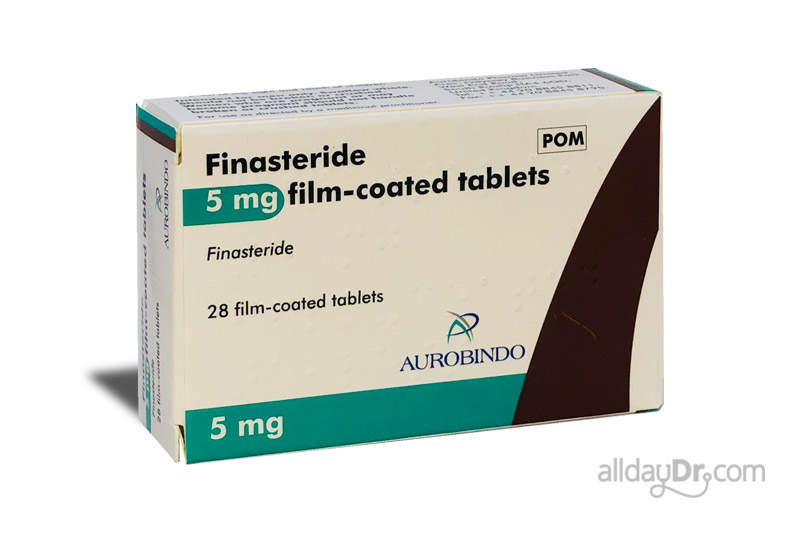
Finasteride 5mg is effective at treating the symptoms and delaying the progression of BPH. Finasteride 1mg temporarily reverses hair loss in men with androgenetic alopecia (male pattern baldness). Sexual dysfunction has been reported in less than 10% of men who take finasteride. In the clinical study using 1 mg tablets, the bioavailability of finasteride is observed at approximately 65% and is not affected by food. Finasteride is approximately 90% protein bound with a volume of distribution of 76 L at a steady-state and can cross the blood-brain barrier.
Most users see results after consistent use for about two months. Finasteride is a specific inhibitor of type II 5-alpha reductase, which is found primarily in scalp hair follicles. In clinical trials, there was no reported effect on the hair on the other parts of the body. Daily use for three months or more may be necessary before a patient will notice the prevention of further hair loss or increased hair growth.
Many people using this medication do not have serious side effects. Dosage for people younger than 18 years has not been established. If these effects are mild, they may disappear within a few days or a couple of weeks. If they’re more severe or don’t disappear, talk with your doctor or pharmacist. Finasteride works by decreasing the amount of the hormone dihydrotestosterone (DHT) in your body.
Side effects from hair loss treatments finasteride and minoxidil 'possible' warns expert - Express
Side effects from hair loss treatments finasteride and minoxidil 'possible' warns expert.
Posted: Tue, 10 Oct 2023 07:00:00 GMT [source]
The currently approved treatment for female pattern hair loss (FPHL) includes topical minoxidil administration; however, this treatment fails to achieve hair regrowth in some patients. Finasteride, a selective 5α-reductase inhibitor (5-ARI), may be considered as an alternative treatment. However, because of its potential teratogenic effects, clinical studies and use of finasteride for FPHL are limited. Dutasteride is a second-generation 5-ARI that inhibits both type I and II 5α-reductase isoenzymes. This medication is used to treat male pattern baldness (androgenetic alopecia) at the crown and in the middle of the scalp. It should be used by adult men only.This medication works by decreasing the amount of a natural body hormone (DHT).
You may need more than one surgery to get the effect you want. Hereditary hair loss will eventually progress despite surgery. Other drugs may interact with finasteride, including prescription and over-the-counter medicines, vitamins, and herbal products. Other drugs may affect finasteride, including prescription and over-the-counter medicines, vitamins, and herbal products. This medication may increase your risk of getting some cancers, like breast cancer. It may take at least three months of daily use of this medication before you notice an improvement in your hair loss.
“We know that Finasteride has been shown to be clinically effective in 90% of men with male pattern baldness, and approximately two-thirds of men who take Finasteride regularly go on to experience regrowth,” Raja notes. Finasteride blocks the action of an enzyme called 5-alpha-reductase. This enzyme changes testosterone to another hormone that causes the prostate to grow.
Finasteride is an FDA-approved pharmacologic agent for treating benign prostate hyperplasia and androgenic alopecia (male pattern hair loss) in men. Finasteride has also been used to treat signs of hyperandrogenism, such as hirsutism, and may be used in transgender women in combination with estrogen for its anti-androgen properties. Various treatment options have been attempted to treat FPHL. Finasteride, an inhibitor of type II 5α-reductase enzyme, is currently indicated for AGA in men. It has been increasingly used as an off-label treatment for FPHL.13 Despite its potential teratogenic effect, several publications on finasteride in FPHL have shown positive results.



No comments:
Post a Comment